
Animal world
Melting ice threatens emperor penguins
The study, led by the Woods Hole Oceanographic Institute (WHOI), focuses on the number of emperor penguins in Terre Adelie in Antarctica, where French scientists have be…
Browse ScienceInfo articles and explainers related to Melting Ice.
174 published items.
The study, led by the Woods Hole Oceanographic Institute (WHOI), focuses on the number of emperor penguins in Terre Adelie in Antarctica, where French scientists have be…
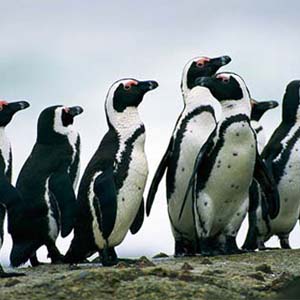
The habitat of many species on earth is seriously threatened, even endangered - one of which is the South African penguin species.
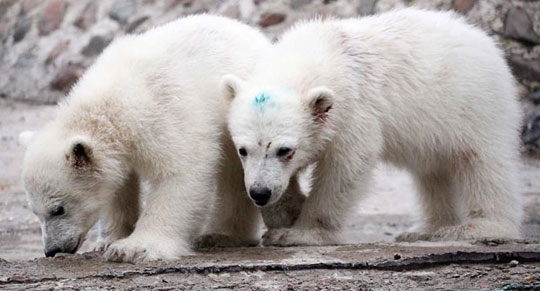
Climate change is making more and more mammals in the Arctic region mate with the same species.

Global warming has caused Arctic sea ice to melt faster and tens of thousands of walruses have to crawl to the northwest coast of Alaska.
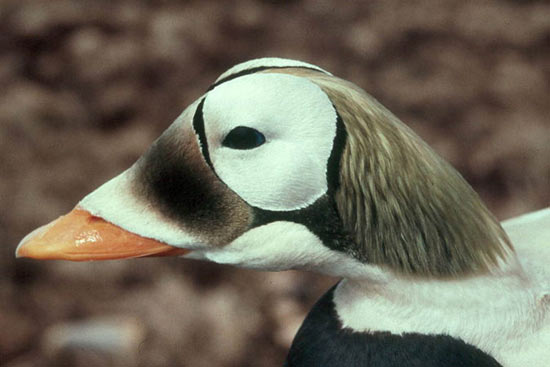
'Extinction: not only polar bears' - it is the newly published article of the Center for Biodiversity (CBD, USA) and the International Wildlife Care Organization. .
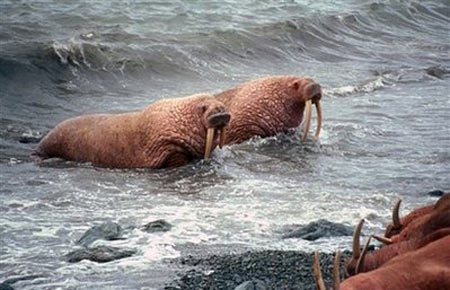
Thousands of walruses suddenly appear on the northwest coast of Alaska (USA). This is a sign that the Arctic environment is changing dramatically by the greenhouse effec…
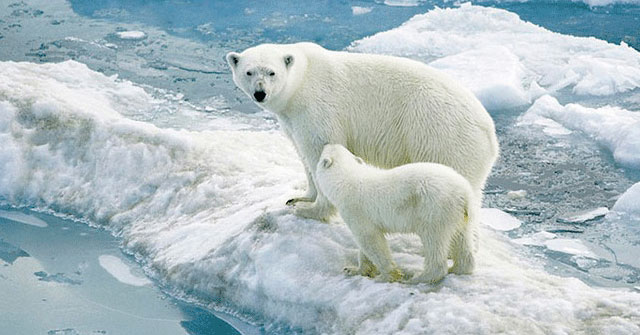
The two polar regions of the Earth, where the climate is always cold, but Antarctica and the Arctic contain many different things.
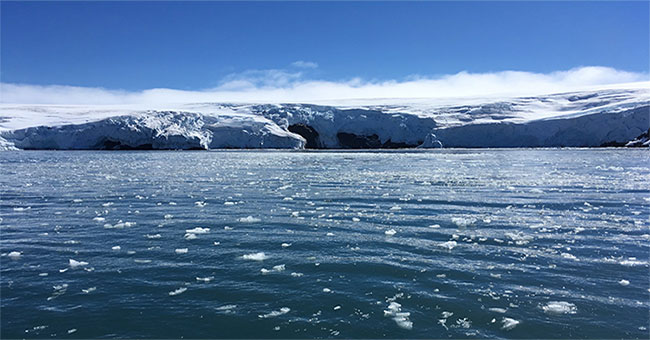
A large area of ice, about 300 km2, is cracked and threatens to separate from the base of the Pine Island in Antarctica.
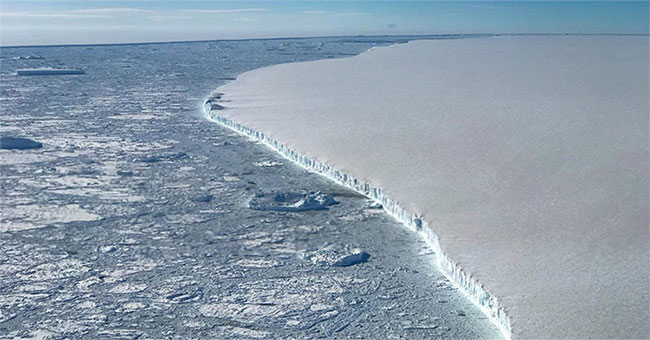
According to the study, Antarctic ice is melting at an alarming rate, with about 2,700 billion tons of ice disappearing in 25 years, from 1992 to 2017.
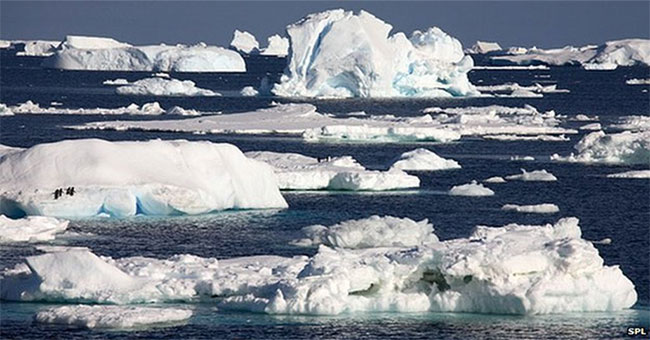
The earth warms, and as a result the ice in the poles is melting. We still know that, and are looking for ways to overcome it.
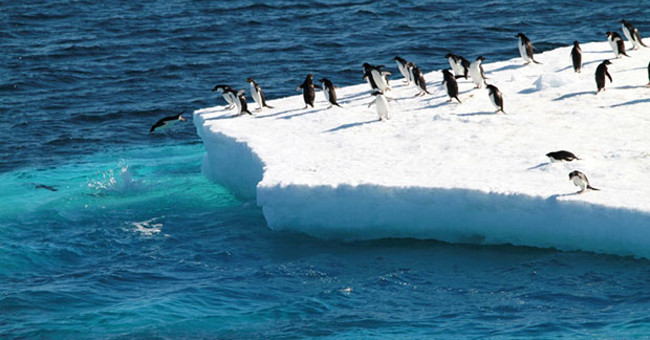
A study published in the journal Nature in 2012 found that snow is associated with an increase in the speed of ice melt and drift.
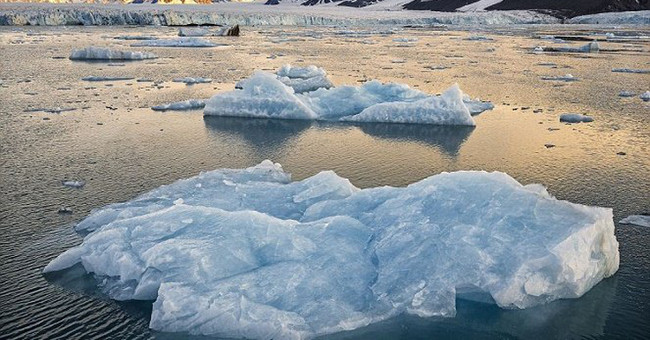
The work of Michael Wolovick - a postdoctoral graduate student of Princeton University promises to go further.
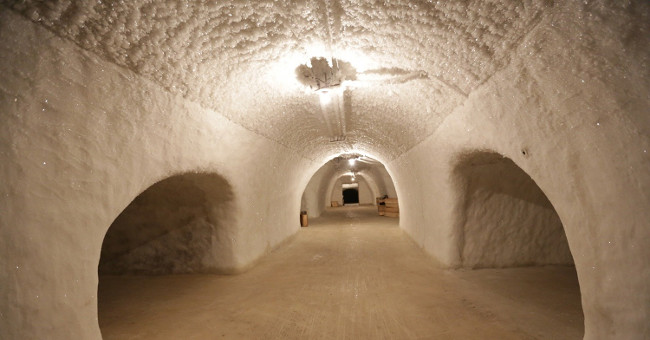
The ice tunnel built in the Arctic since the Soviet Union was melting due to climate change, according to the Daily Mail.
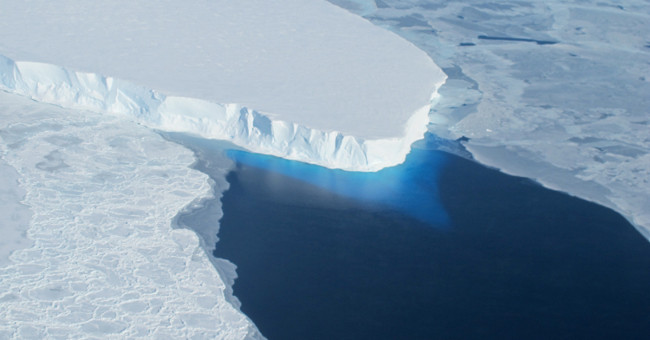
Dutch experts warn that the current sea-level assessment methods do not take into account the increased volume of the entire ocean as glaciers and ice shelves melt.
Despite its transparent appearance, thicker layers of ice will accumulate more pollutants in the surrounding environment.